
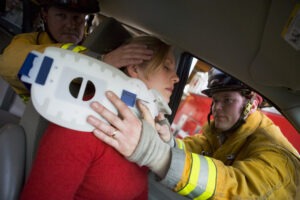
After a car accident, you may experience soreness, neck or back pain, headaches, bruising, stiffness, dizziness, numbness or swelling. Some symptoms begin immediately, while others may not become noticeable until hours or days later.
Not every symptom means that you have a serious injury. However, chest pain, difficulty breathing, severe abdominal pain, increasing confusion, weakness, repeated vomiting or a worsening headache require urgent medical attention.
Call 911 when you or another person may have a medical emergency. After a significant collision, head impact or new physical symptoms, contact a qualified healthcare professional for an individual assessment rather than attempting to diagnose the injury yourself.
If another person may have caused the crash, a Norfolk car accident lawyer can separately review the accident evidence, insurance coverage and legal options. Medical treatment decisions should always be based on your health rather than the potential value of an insurance claim.
What Physical Symptoms Are Common After a Car Accident?
A collision may expose the body to sudden acceleration, deceleration, twisting, compression and direct impact. A seat belt, airbag or vehicle interior may prevent more severe harm while still causing bruising or soreness.
Possible physical symptoms include:
- Neck pain and stiffness
- Headaches
- Shoulder or upper-back pain
- Lower-back pain
- Muscle soreness
- Bruising and tenderness
- Dizziness or balance problems
- Numbness or tingling
- Abdominal discomfort
- Chest or rib pain
- Swelling in the arms or legs
- Ringing in the ears
- Fatigue or sleep changes
These symptoms can result from many different conditions. Their presence does not, by itself, establish a particular diagnosis or indicate how severe an injury is.
Get a free legal consultation
CALL 757-648-8579When Should You Seek Emergency Medical Care?
Call 911 or go to an emergency department immediately when a person experiences any of the following after a collision:
- Difficulty breathing or severe shortness of breath
- Chest pain or unusual chest movement
- Severe, sudden or worsening abdominal pain
- A rigid, swollen or extremely tender abdomen
- Heavy bleeding or suspected internal bleeding
- Loss of consciousness
- Increasing confusion, agitation or unusual behaviour
- Extreme drowsiness or difficulty waking
- A worsening headache that does not go away
- Repeated vomiting
- A seizure or convulsion
- Weakness, numbness or reduced coordination
- Slurred speech
- One pupil appearing larger than the other
- Inability to recognise people or places
- Severe neck or back pain with weakness or loss of sensation
- Loss of bladder or bowel control
- A visibly deformed limb or exposed bone
- Severe swelling and pain that appears out of proportion to the visible injury
Do not drive yourself to obtain emergency care when dizziness, confusion, impaired vision, loss of consciousness or another condition could make driving unsafe.
Can Car Accident Symptoms Be Delayed?
Yes. Some symptoms may begin immediately, while others may appear or become more noticeable over the following hours or days.
Delayed symptoms may occur because:
- Swelling and inflammation can develop after the initial injury.
- Muscle stiffness may increase after a period of rest.
- Whiplash symptoms may not become obvious immediately.
- Mild traumatic brain injury symptoms can emerge later.
- A person may initially focus on the immediate danger rather than bodily discomfort.
Delayed onset does not prove that a symptom was caused by the collision, but it also does not automatically mean that the symptom is unrelated. A healthcare professional can consider the accident history, timing, examination and appropriate testing.
Contact our personal injury lawyers today
GET FREE EVALUATIONWhat Might You Feel During the First 24 Hours?
During the first day, some people experience:
- General soreness
- Bruising or tenderness
- Headache
- Dizziness
- Nausea
- Neck or back stiffness
- Fatigue
- Difficulty sleeping
Other people initially notice few or no symptoms. Monitor for new or worsening problems and follow the instructions provided by emergency responders or healthcare professionals.
Do not assume that an injury is minor simply because the vehicle damage appears limited or you were able to walk away from the scene.
What Might You Feel One to Three Days Later?
Over the next several days, muscle and joint symptoms may become more apparent. Possible delayed symptoms include:
- Increasing neck stiffness
- Shoulder or upper-back discomfort
- Lower-back pain
- Headaches
- Reduced range of motion
- Muscle spasms
- Numbness or tingling
- Difficulty concentrating
- Sensitivity to light or noise
- Changes in sleep or energy
Contact a healthcare professional if symptoms appear, worsen or interfere with walking, sleeping, working, driving or normal activities.
Headaches After a Car Accident
A headache after a collision may be associated with neck strain, muscle tension, a blow to the head, a concussion or another condition.
A healthcare professional may ask:
- Whether your head struck an object
- Whether you lost consciousness
- When the headache began
- Whether the pain is worsening
- Whether you have nausea or vomiting
- Whether you have memory, balance or vision problems
- Whether you take blood-thinning medication
Seek emergency care for a worsening headache, repeated vomiting, seizures, weakness, unequal pupils, slurred speech, confusion or difficulty waking.
Neck Pain and Whiplash
Whiplash is a soft-tissue neck injury associated with rapid back-and-forth movement. It may affect muscles, ligaments and other structures around the neck.
Possible symptoms include:
- Neck pain
- Stiffness
- Reduced range of motion
- Headaches
- Shoulder or arm discomfort
- Dizziness
- Muscle tenderness
Whiplash discomfort may not appear immediately. Some people notice symptoms during the first several hours or days after the collision.
Severe neck pain, inability to move an arm or hand, weakness, worsening numbness, difficulty walking or loss of bladder or bowel control requires urgent evaluation.
Back Pain
A collision can strain muscles and ligaments or affect spinal joints, discs, vertebrae and nerves.
Back pain may feel like:
- A dull ache
- Sharp or stabbing pain
- Muscle tightness
- Spasms
- Pain radiating into an arm or leg
- Numbness or tingling
- Weakness
Seek urgent care for back pain accompanied by significant weakness, loss of sensation, inability to walk, loss of bladder or bowel control or numbness around the groin or inner thighs.
Shoulder and Arm Pain
Shoulder or arm pain may result from bracing against the steering wheel, direct impact, seat-belt pressure or sudden movement during the crash.
Possible injuries include:
- Muscle strain
- Ligament sprain
- Joint dislocation
- Fracture
- Rotator-cuff injury
- Nerve irritation
Prompt medical assessment is appropriate when the shoulder appears deformed, the arm cannot be moved normally or the hand becomes weak, pale, cold or numb.
Chest and Rib Pain
Chest or rib discomfort may occur where the body contacted a seat belt, airbag, steering wheel or vehicle interior. Possible causes range from bruising or muscle strain to rib fractures or injuries involving the lungs and internal organs.
Seek emergency medical care for:
- Difficulty breathing
- Severe or increasing chest pain
- Bluish lips or fingernails
- Coughing up blood
- Unusual movement of the chest wall
- Fainting, confusion or extreme weakness
Do not assume that chest pain is merely a seat-belt bruise without an appropriate assessment.
Abdominal Pain
Abdominal pain after a collision may result from bruising, seat-belt pressure or injury to an internal organ. Internal bleeding may not be externally visible and can become life-threatening.
Emergency warning signs include:
- Sudden or severe abdominal pain
- Increasing abdominal swelling
- A hard or rigid abdomen
- Dizziness or fainting
- Pale or clammy skin
- Rapid heartbeat
- Weakness or decreasing alertness
- Blood in vomit, urine or stool
- Shortness of breath
Call 911 when internal bleeding or shock may be present.
Numbness, Tingling or Weakness
Numbness, tingling or weakness may indicate nerve irritation, swelling, a disc injury, spinal cord involvement or another neurological condition.
Record where the sensation occurs and whether it is constant, intermittent or worsening. Seek urgent care when numbness or weakness:
- Begins suddenly
- Affects one side of the body
- Interferes with walking or coordination
- Occurs with severe neck or back pain
- Occurs with slurred speech or confusion
- Involves loss of bladder or bowel control
Swelling in the Arms or Legs
Swelling may result from bruising, a sprain, a fracture or another injury. Severe trauma can also contribute to acute compartment syndrome, a condition in which pressure builds within a group of muscles and affects blood flow, muscles and nerves.
Seek prompt medical attention for:
- Severe or rapidly increasing swelling
- Pain that appears much greater than expected
- Pain that does not improve with prescribed measures
- Numbness or tingling
- Weakness
- Pale or cold skin
- Difficulty moving the affected limb
Ringing in the Ears or Hearing Changes
Tinnitus is the perception of ringing, buzzing, hissing or another sound without an external source. After a collision, it may be associated with loud noise, airbag deployment, head trauma or another ear-related condition.
Medical evaluation may be appropriate when ringing is persistent or occurs with:
- Hearing loss
- Dizziness or vertigo
- Balance problems
- Ear pain or drainage
- Headache
- A blow to the head
Do not assume that all tinnitus after a crash was caused solely by noise exposure.
Bruising and Seat-Belt Marks
A seat belt can reduce the risk of severe injury while also causing visible bruising or tenderness during a forceful collision.
A superficial bruise may improve over time. However, a seat-belt mark across the chest or abdomen should be assessed alongside other symptoms, particularly when accompanied by:
- Increasing pain
- Abdominal tenderness
- Difficulty breathing
- Dizziness
- Vomiting
- Weakness or fainting
Fatigue and Sleep Changes
Fatigue may follow physical stress, disrupted sleep, pain, medication use or a mild traumatic brain injury.
Contact a healthcare professional when fatigue is severe, worsening or accompanied by confusion, unusual drowsiness, memory problems, dizziness or headaches.
A person who is extremely difficult to wake after a head injury requires emergency care.
How Are Car Accident Injuries Evaluated?
A healthcare professional may consider:
- How the collision occurred
- Where the vehicle was struck
- Whether the person wore a seat belt
- Whether an airbag deployed
- Whether the head struck anything
- Whether consciousness was lost
- The timing and progression of symptoms
- Pre-existing medical conditions
- Current medications
- The physical and neurological examination
Testing may include X-rays, computed tomography, magnetic resonance imaging or other studies when medically appropriate. Not every symptom requires imaging, and a normal scan does not necessarily exclude every soft-tissue injury or mild traumatic brain injury.
What Should You Do During Recovery?
Follow the instructions provided by your treating healthcare professionals. Recovery recommendations depend on the diagnosis and may differ significantly from one patient to another.
General steps may include:
- Take prescribed medication as directed.
- Attend recommended follow-up appointments.
- Complete physical or occupational therapy when prescribed.
- Ask when you can safely return to driving, work, exercise or sport.
- Report worsening or new symptoms.
- Avoid activities that increase symptoms or create another injury risk.
- Keep medical providers informed about pre-existing conditions.
After a mild traumatic brain injury, healthcare professionals may recommend a short period of rest followed by a gradual return to ordinary activities. Symptoms that worsen or do not improve should be discussed with the treating provider.
How Long Does Soreness Last After a Car Accident?
There is no universal recovery timeline. Minor bruising or muscle soreness may improve over days or weeks, while fractures, neurological injuries and serious soft-tissue injuries may require longer treatment and rehabilitation.
Recovery may depend on:
- The type and severity of injury
- Age and overall health
- Previous injuries or medical conditions
- Whether surgery was required
- Access to appropriate treatment
- Compliance with medical recommendations
- The physical demands of work and daily life
Contact your healthcare professional when pain is worsening, symptoms are not improving as expected or daily functioning remains significantly limited.
Should You Keep a Record of Your Symptoms?
An accurate symptom record may help healthcare professionals understand how your condition changes between appointments.
You may record:
- When each symptom began
- Where the symptom occurs
- How severe it feels
- Which activities increase or reduce it
- Whether it affects sleep, walking, driving or work
- Medication taken and its effect
- Appointments and treatment recommendations
Keep the record factual. Do not exaggerate, minimise or alter symptoms for an insurance claim. Medical care should focus on accurate diagnosis and recovery.
Can You Recover Medical Expenses After a Virginia Car Accident?
If another party’s negligence caused the collision, an injured person may be able to seek compensation for legally recoverable losses supported by the evidence.
Potential damages may include:
- Emergency and hospital expenses
- Diagnostic testing
- Past medical treatment
- Reasonably anticipated future medical care
- Physical and occupational therapy
- Lost income
- Reduced earning capacity
- Physical pain and inconvenience
- Permanent impairment
- Scarring or disfigurement
- Vehicle and personal-property damage
Compensation is not automatic. The claimant may need to prove that the other party was legally responsible, that the collision caused or aggravated the claimed injuries and that the losses are reasonably supported.
Why Does Contributory Negligence Matter in Virginia?
Virginia applies the contributory-negligence doctrine in many negligence claims. A defendant may argue that the injured person’s own conduct contributed to the collision and therefore prevents recovery.
Potential allegations may include that a driver:
- Was speeding
- Failed to maintain a proper lookout
- Made an unsafe lane change
- Ignored a traffic signal
- Followed another vehicle too closely
- Was distracted or impaired
An insurance company’s allegation is not a final legal determination. Photographs, video, witness statements, vehicle damage and other evidence may be needed to evaluate fault.
How Can You Document an Injury Claim?
Potentially relevant records may include:
- Police crash reports
- Scene photographs and videos
- Witness contact information
- Emergency and hospital records
- Diagnostic reports
- Medical bills
- Therapy and rehabilitation records
- Prescription receipts
- Medical work restrictions
- Pay statements and employer records
- Vehicle-repair estimates
- Insurance correspondence
Preserve original photographs and videos. Avoid editing them or posting detailed statements about the accident, your health or your activities on social media while liability or damages remain disputed.
How Long Do You Have to File a Virginia Car Accident Lawsuit?
Under Virginia Code § 8.01-243, a personal injury action generally must be filed within two years after the cause of action accrues.
Virginia generally provides a five-year period for property-damage actions. Different deadlines, notice requirements or exceptions may apply when a claim involves a minor, government defendant, wrongful death or another special circumstance.
An insurance claim or settlement negotiation does not necessarily extend the court-filing deadline. Evidence may also disappear before the statutory period expires.
Is It Worth Speaking With a Car Accident Lawyer?
Not every minor collision requires legal representation. A consultation may be particularly useful when:
- The injuries are serious or permanent.
- Future treatment may be required.
- Fault is disputed.
- The insurer alleges contributory negligence.
- Several drivers or businesses may be responsible.
- The available insurance is unclear.
- The claim has been denied.
- You have been offered a settlement before completing treatment.
- You are asked to give a recorded statement or sign a broad release.
- The filing deadline is approaching.
Learn more about whether it is worth hiring an attorney after a car accident.
A lawyer may investigate the collision, preserve evidence, identify coverage, collect records and communicate with insurers. Hiring an attorney does not guarantee compensation or a particular settlement.
Frequently Asked Questions
Is it normal to feel sore after a car accident?
Muscle soreness, stiffness and bruising can occur after a collision. However, only a healthcare professional can determine whether the discomfort reflects a minor strain or a more serious injury.
Why did I feel fine immediately after the accident?
Some symptoms do not appear immediately. Whiplash pain, inflammation and mild traumatic brain injury symptoms may become more noticeable over the following hours or days.
How long after a car accident can symptoms appear?
Some symptoms begin immediately, while others may develop over several hours or days. New, worsening or concerning symptoms should be discussed with a healthcare professional.
When should I go to the emergency room?
Seek emergency care for breathing difficulty, severe chest or abdominal pain, loss of consciousness, worsening headache, repeated vomiting, seizures, unequal pupils, confusion, severe weakness, uncontrolled bleeding or other signs of a medical emergency.
Can I have an injury without visible bruising?
Yes. Soft-tissue, neurological and internal injuries may occur without obvious external bruising. The absence of a visible mark does not establish that no injury occurred.
Can a low-speed crash cause symptoms?
A person may experience symptoms after a collision that causes limited visible vehicle damage. However, the speed of the vehicles, occupant position, prior health, restraint use and other facts may affect the injury analysis.
Should I exercise when I am sore?
Follow the activity advice provided by your healthcare professional. The appropriate level of rest and activity depends on the diagnosis, symptoms and risk of further injury.
Can I drive after a car accident?
Do not drive when pain, dizziness, confusion, impaired vision, medication effects or reduced movement may make driving unsafe. Ask a healthcare professional when it is safe to resume driving after a significant injury.
Will medical records automatically prove my legal claim?
No. Medical records may help document symptoms, diagnosis and treatment, but a legal claim also requires evidence concerning liability, causation, damages and available insurance.
What happens if I had back or neck pain before the crash?
A pre-existing condition does not automatically prevent a claim, but the insurer may dispute whether the collision caused a new injury or aggravated an existing condition. Accurate prior and post-accident medical evidence may be important.
Discuss a Virginia Car Accident Claim With Atkinson Law
Your health should remain the first priority after a collision. Obtain appropriate medical care and follow the recommendations of qualified healthcare professionals.
If another driver may have caused your injuries, Atkinson Law can review the accident evidence, insurance coverage and potential legal options. You may also review the firm’s past case results, which do not guarantee a similar outcome in another matter.
Contact Atkinson Law to request a free consultation about a Norfolk or Virginia car accident claim.
This page provides general medical and legal information. It is not a substitute for emergency care, diagnosis, treatment or individual legal advice. Call 911 when a person may have a medical emergency. Reading this page or contacting the firm does not create an attorney-client relationship.
Call or text 757-648-8579 or complete a Free Case Evaluation form
CONTACT US TODAY